506(b) vs 506(c): Which SEC Exemption Is Right for Your Real Estate Raise?
Quick Answer
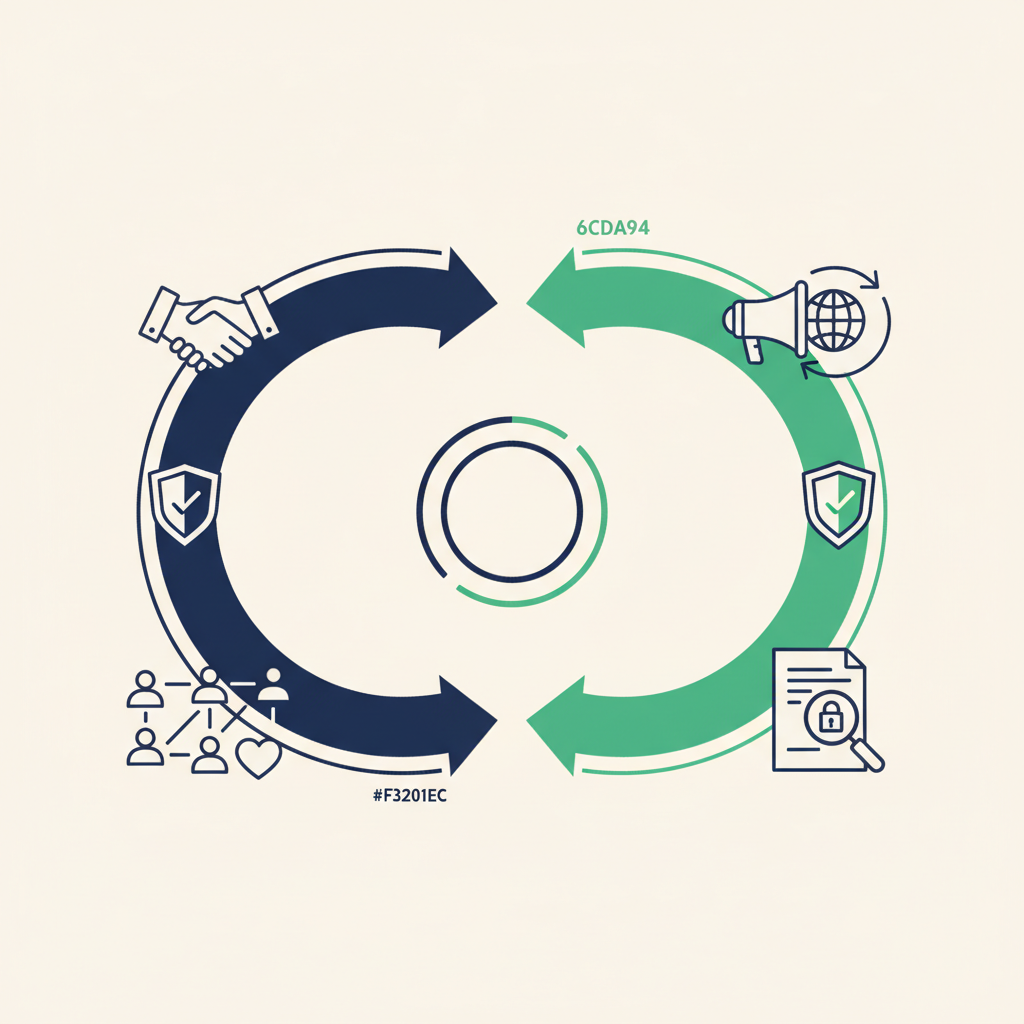
506(b) lets you raise from up to 35 non-accredited investors (plus unlimited accredited), but you cannot advertise or use general solicitation — you must have a pre-existing substantive relationship with each investor. 506(c) allows general solicitation (ads, social media, webinars), but every investor must be accredited and you must formally verify their status. If your network is your pipeline, choose 506(b). If you want to market publicly and reach new investors at scale, choose 506(c). Fund Flow's Flow Guard automates compliance for both.
I've seen operators freeze for months trying to decide between 506(b) and 506(c). I've also seen operators skip this decision entirely and raise capital with zero legal structure — which is significantly worse.
Here's the deal: this decision isn't that complicated once you understand the trade-offs. I'm going to break down both exemptions in plain English, give you a side-by-side comparison, and help you pick the right one based on your actual situation — not theory.
What Is Regulation D?
Before we compare the two, let's zoom out. Regulation D is a set of SEC rules that lets companies (including real estate operators) raise capital by selling securities without registering with the SEC. Registration is insanely expensive and time-consuming — we're talking $500K-$2M+ in legal and accounting fees and 6-12 months of paperwork. That's not viable for 99% of real estate operators.
Reg D gives you exemptions from that registration requirement. The two most common exemptions for real estate capital raises are Rule 506(b) and Rule 506(c). Both fall under Regulation D, but they have very different rules about who you can raise from and how you can find investors.
Rule 506(b): The Relationship-Based Raise
506(b) is the older, more traditional exemption. It's been the go-to for real estate operators for decades. Here's what you need to know:
Who Can Invest
- Unlimited accredited investors (individuals with $200K+ income or $1M+ net worth excluding primary residence)
- Up to 35 "sophisticated" non-accredited investors — people who may not meet accredited thresholds but have sufficient knowledge and experience in financial matters to evaluate the investment
How You Can Find Investors
This is the big restriction: no general solicitation. No general advertising. That means:
- No posting your offering on social media
- No running Facebook or Google ads for your raise
- No mentioning your offering on a podcast or webinar to a public audience
- No sending your PPM to someone you just met at a conference
You can only offer securities to people with whom you have a pre-existing substantive relationship. That means you knew them before the offering, you understand their financial situation, and the relationship wasn't created for the purpose of raising capital.
The "substantive relationship" requirement is where most 506(b) operators get into trouble. Sending someone a friend request on LinkedIn, having one phone call, and then pitching them your deal does NOT qualify. You need documented, ongoing interaction over time.
Verification Requirements
With 506(b), investors can self-certify their accredited status. You don't have to verify income or net worth through third-party documentation. A signed accredited investor questionnaire is typically sufficient.
For non-accredited investors, you need to confirm they are "sophisticated" — meaning they (or their professional advisor) can evaluate the merits and risks of the investment.
Rule 506(c): The Marketing-Powered Raise
506(c) was created by the JOBS Act in 2013 specifically to let operators raise capital through general solicitation. It opened up a completely new playbook. Here's the breakdown:
Who Can Invest
- Accredited investors ONLY. Zero non-accredited investors. No exceptions.
How You Can Find Investors
General solicitation is allowed. That means:
- Post about your offering on Instagram, LinkedIn, Twitter/X
- Run paid ads on Facebook, Google, YouTube
- Talk about your raise on your podcast
- Host public webinars and investor presentations
- Send cold emails to potential investors
This is a game-changer for operators who are building a public brand. If you're creating content, growing an audience, and positioning yourself as an expert in your niche — 506(c) lets you convert that audience into investors.
Verification Requirements
Here's the trade-off: you must take "reasonable steps" to verify that every single investor is accredited. Self-certification is NOT enough. Acceptable verification methods include:
- Income verification: Reviewing tax returns (W-2s, 1040s) for the past two years plus a written statement of expected income for the current year
- Net worth verification: Reviewing bank/brokerage statements, credit reports, and appraisals
- Third-party verification letter: A letter from a CPA, attorney, registered investment advisor, or broker-dealer confirming accredited status
- Verification platform: Using a service that handles the verification process (this is what most operators do in 2026)
Side-by-Side Comparison
| Feature | 506(b) | 506(c) |
|---|---|---|
| Non-Accredited Investors | Up to 35 (must be sophisticated) | Not allowed |
| General Solicitation | Not allowed | Allowed (ads, social, etc.) |
| Investor Verification | Self-certification accepted | Must take reasonable steps to verify |
| Relationship Requirement | Pre-existing substantive relationship | None — can raise from strangers |
| Marketing Flexibility | Low (private, 1-to-1 only) | High (public marketing allowed) |
| Compliance Burden | Moderate (relationship documentation) | High (verification documentation) |
| Investor Pool Size | Limited to your network | Unlimited (anyone you can reach) |
| Speed of Capital Raise | Slower (relationship building takes time) | Faster (if you have marketing reach) |
| Form D Filing | Required (within 15 days of first sale) | Required (within 15 days of first sale) |
| State Blue Sky Filings | Required in states where investors reside | Required in states where investors reside |
Which Should You Choose?
Stop overthinking this. Here's a simple framework:
Choose 506(b) if:
- You have an existing network of potential investors you've known for months or years
- Some of your investors won't be accredited (friends, family, early supporters who believe in you but don't meet the $200K income threshold)
- You don't plan to market your offering publicly — you're raising through warm relationships
- You want simpler verification — self-certification is easier to manage
- You're raising a smaller amount ($500K-$5M) and your network can fill it
Choose 506(c) if:
- You're building a personal brand and want to convert followers into investors
- All your investors will be accredited (high-net-worth individuals, family offices, institutional investors)
- You want to use marketing — social media, paid ads, webinars, content marketing
- You're raising a larger amount ($5M+) and need to reach beyond your existing network
- You're comfortable with the verification process (or have a tool that handles it)
The Hybrid Approach
Here's something most operators don't realize: you can run 506(b) and 506(c) offerings simultaneously — as long as they're for different entities or funds. Some operators use 506(b) for their existing investor base and 506(c) for new investor acquisition through marketing. It's the best of both worlds.
One operator I know runs a 506(b) fund for his existing investors and a 506(c) syndication series for deals he markets on social media. His investor base grew 4x in 18 months using this approach.
Common Mistakes to Avoid
I've seen operators make every one of these mistakes. Don't be that person:
- Posting about your 506(b) offering on social media. This is general solicitation. Instant compliance violation. I've watched operators get flagged for an Instagram story about their raise. Be careful.
- Accepting non-accredited investors in a 506(c) offering. Even one non-accredited investor blows the entire exemption. You lose your safe harbor. Not worth the risk.
- Not documenting substantive relationships for 506(b). If the SEC ever asks, you need to show when and how you developed a relationship with each investor BEFORE offering them the investment. Keep records.
- Skipping accreditation verification in 506(c). Self-certification isn't enough. You need actual documentation. Period.
- Not filing Form D. You must file Form D with the SEC within 15 days of your first sale of securities. Some states also require notice filings. Missing these creates unnecessary legal exposure.
How Fund Flow Automates 506(b) and 506(c) Compliance
Compliance is where most operators either overspend (paying lawyers $500/hour for ongoing tracking) or under-deliver (using spreadsheets and hoping for the best). Both approaches fail at scale.
Flow Guard, Fund Flow's compliance engine, handles both exemptions:
- For 506(b): Flow Guard automatically tracks and timestamps every interaction with potential investors — emails, calls, meetings, content engagement. It builds a substantive relationship timeline for each contact, so if you ever need to demonstrate a pre-existing relationship, you have an audit-ready record.
- For 506(c): Flow Guard integrates accreditation verification directly into the investor onboarding flow. Investors can submit documentation or use third-party verification, and everything is stored, timestamped, and flagged for renewal when certifications expire.
- For both: Automated Form D reminders, state blue sky filing checklists, and real-time compliance dashboards that show you exactly where every investor stands.
You didn't get into real estate to become a compliance officer. Automate it so you can focus on what actually makes money: finding deals and raising capital.
What About 506(b) Syndications Specifically?
If you're doing syndications (pooling capital from multiple investors for a single deal), 506(b) is the most common starting point because most syndicators begin by raising from their personal network.
The typical syndication progression:
- First syndication: 506(b), raising $500K-$2M from friends, family, and close contacts
- Growth phase: Still 506(b), but building an "investor pipeline" through content and networking (carefully staying within pre-existing relationship rules)
- Scale phase: Switch to or add 506(c) when you're ready to market publicly and your investor base is primarily accredited
The key is that your SEC exemption should match your go-to-market strategy, not the other way around. Don't force yourself into 506(b) if your strength is marketing. Don't choose 506(c) if your strength is relationships and some of your best investors aren't accredited.
The Bottom Line
Here's what matters: pick one and execute. The operators who raise the most capital aren't the ones who chose the "perfect" exemption. They're the ones who chose an exemption, set up proper compliance, and started raising.
Both 506(b) and 506(c) work. Both have helped operators raise millions. The difference isn't in the exemption — it's in the execution.
If you're still unsure, start with 506(b). It's simpler to set up, works with non-accredited investors, and you can always add a 506(c) offering later as your marketing engine grows.